Six West Valley Style Guides
Compare six remodeling styles across living rooms, kitchens and bathrooms to find a direction that fits your home.
Find the Direction That Fits Your Home
Compare materials, colors, cabinetry and lighting across six styles. Explore how the same style direction can work in a living room, kitchen and bathroom.
Living Rooms
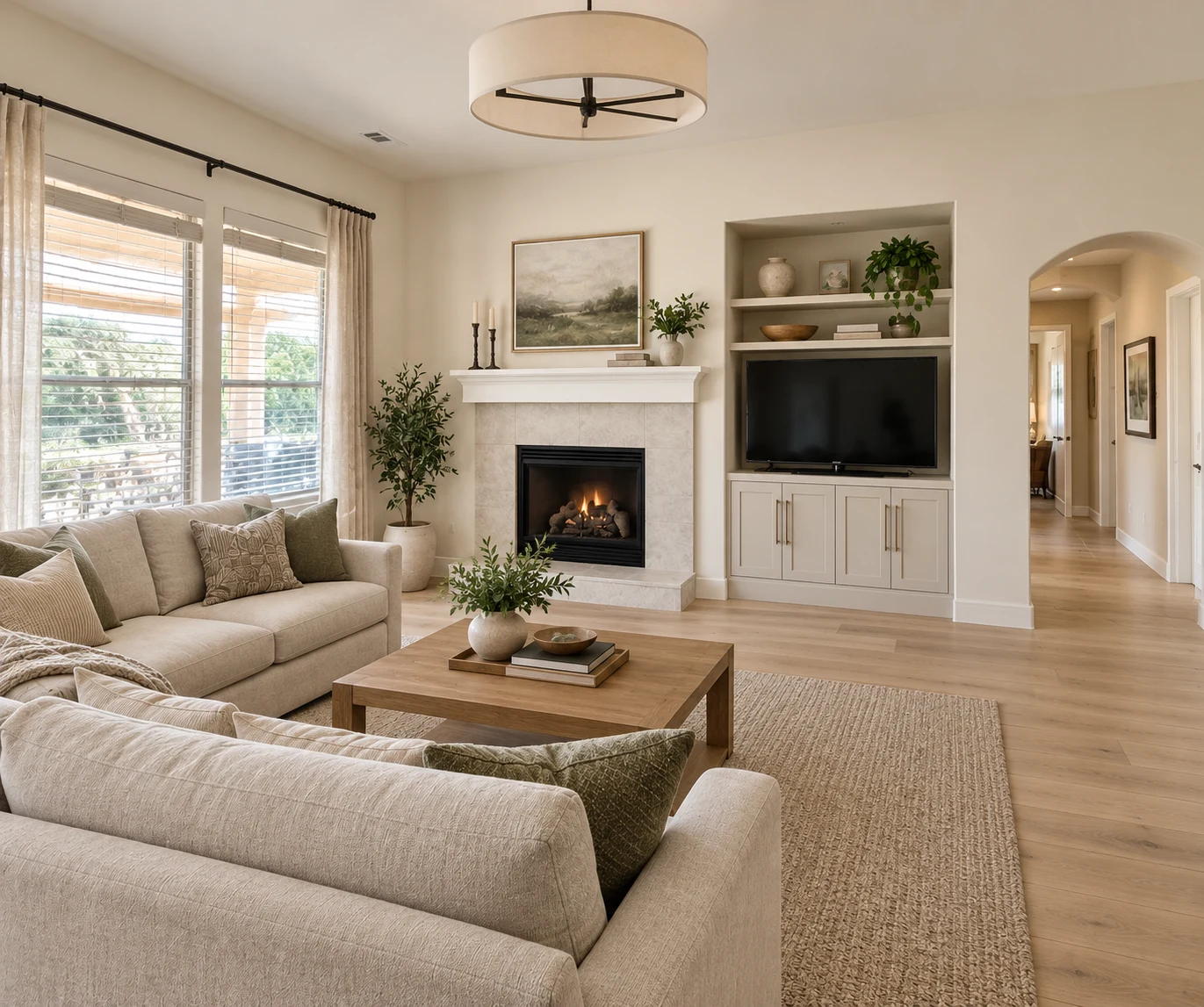
Modern
Clean lines and warm natural materials.
Compare the same room →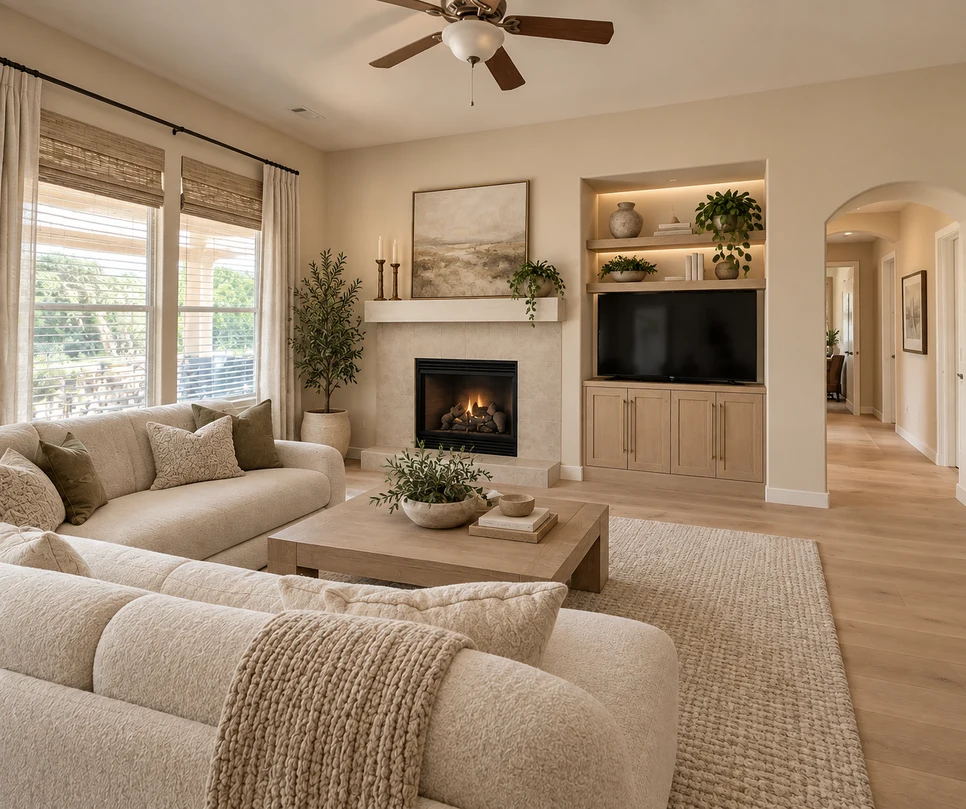
Contemporary
Soft neutrals and sculptural furnishings.
Compare the same room →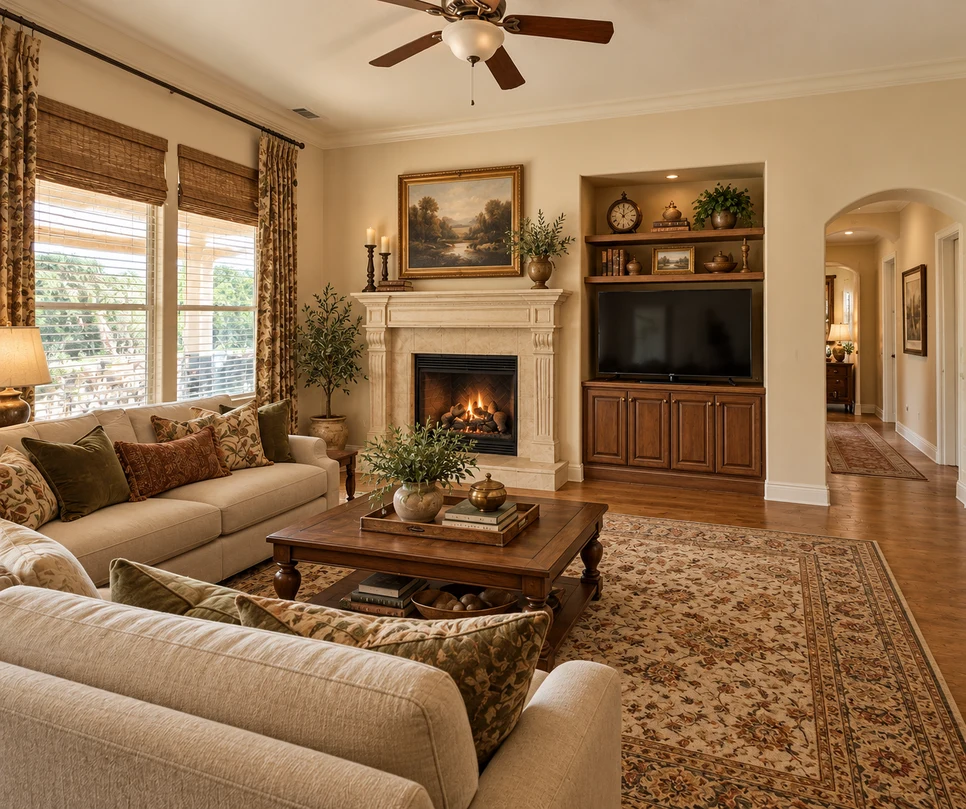
Traditional
Classic detail and rich warm wood.
Compare the same room →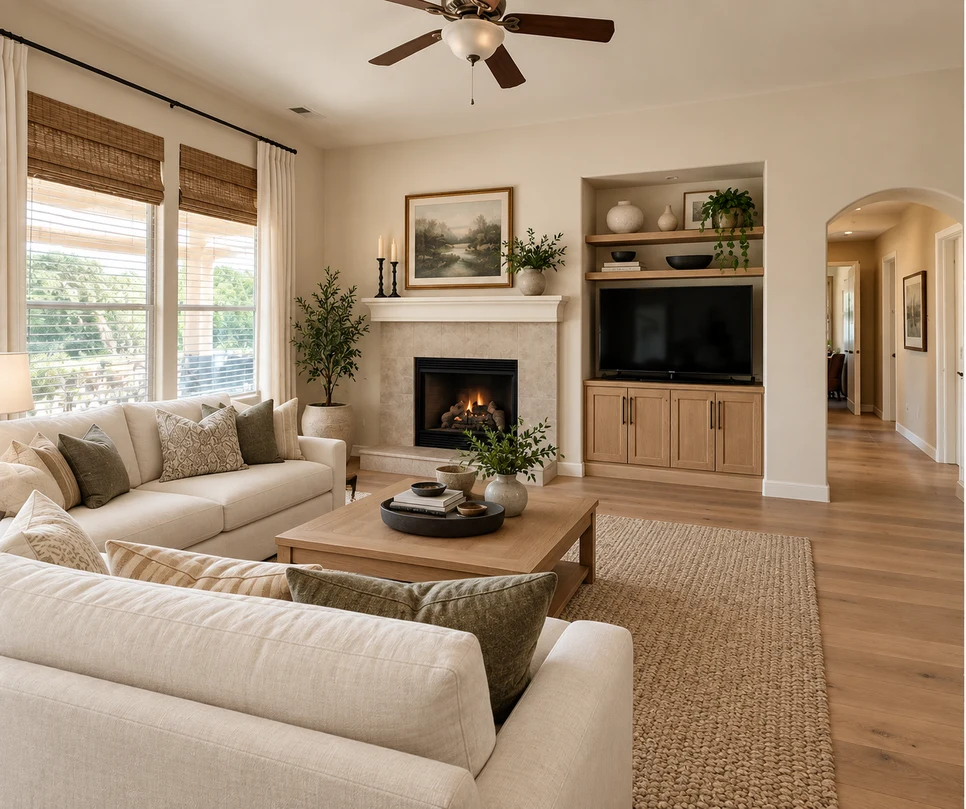
Transitional
A balance of modern and classic details.
Compare the same room →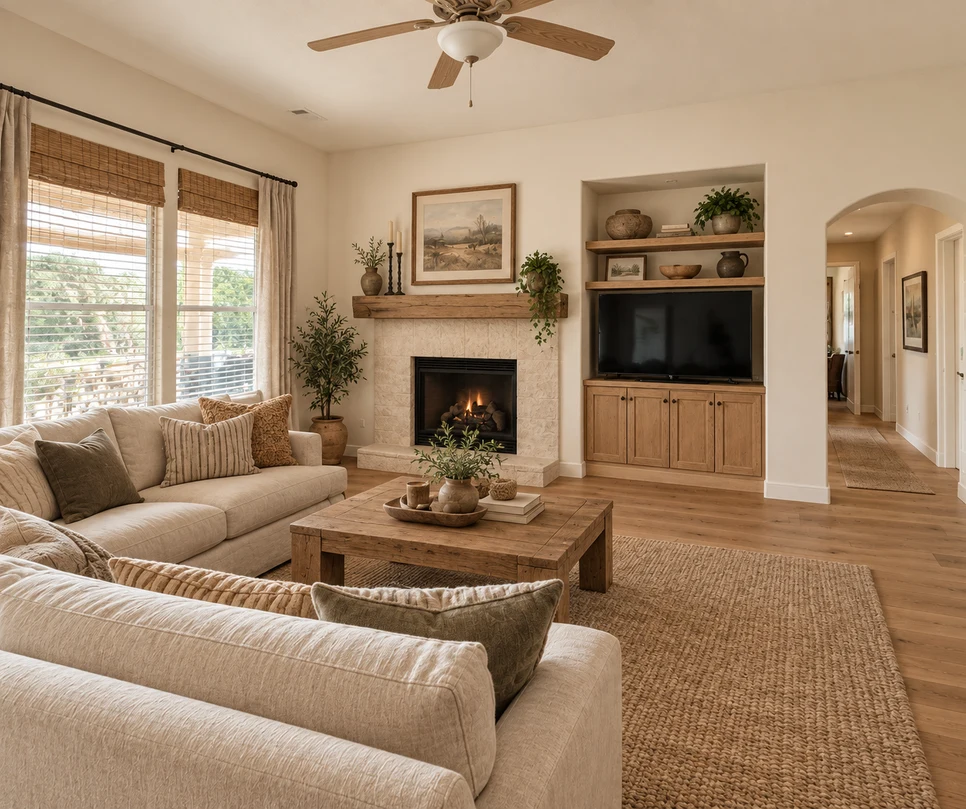
Farmhouse / Rustic
Natural textures and restrained rustic warmth.
Compare the same room →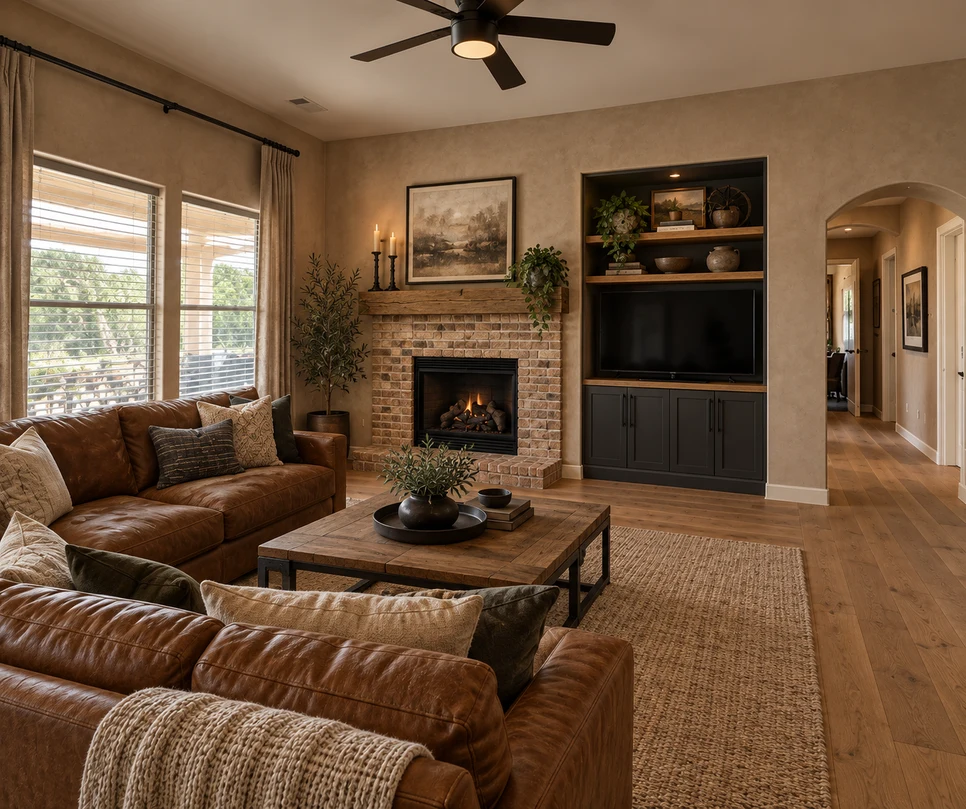
Industrial
Brick texture, metal and leather accents.
Compare the same room →Kitchens
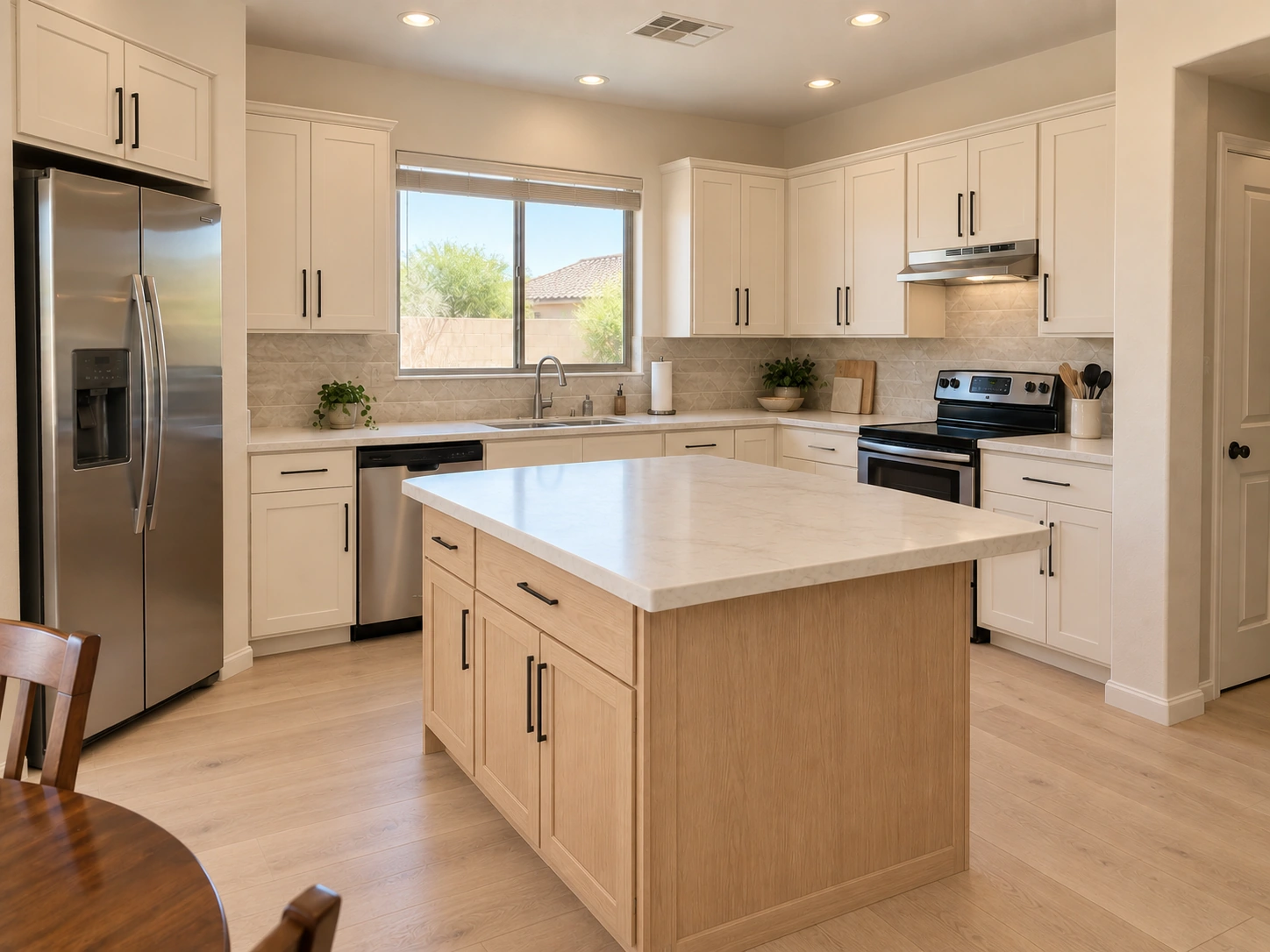
Modern
Clean lines, light cabinetry and a warm oak island.
Compare the same room →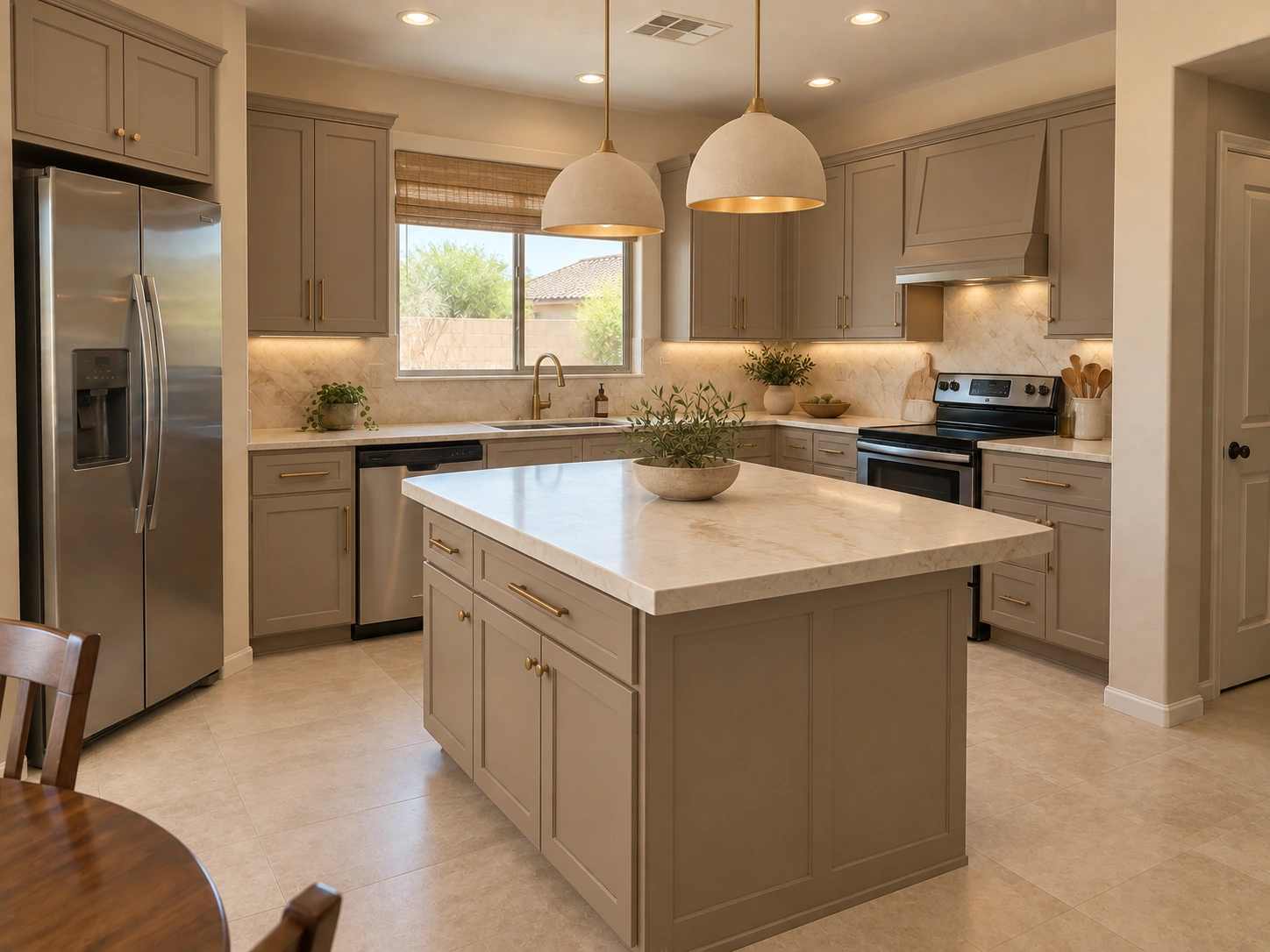
Contemporary
Soft taupe cabinetry and sculptural pendant lighting.
Compare the same room →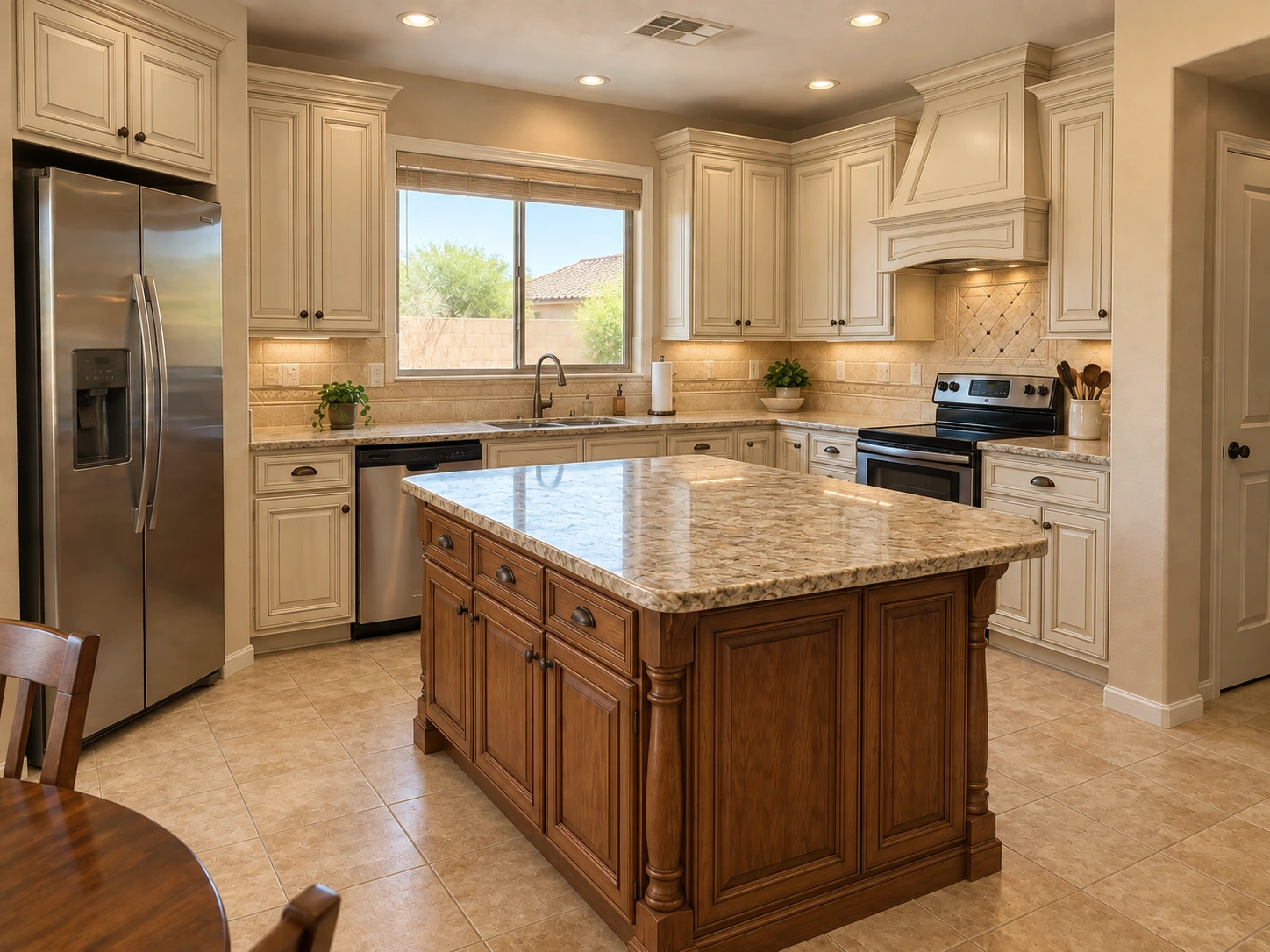
Traditional
Classic cabinet detail, warm wood and stone counters.
Compare the same room →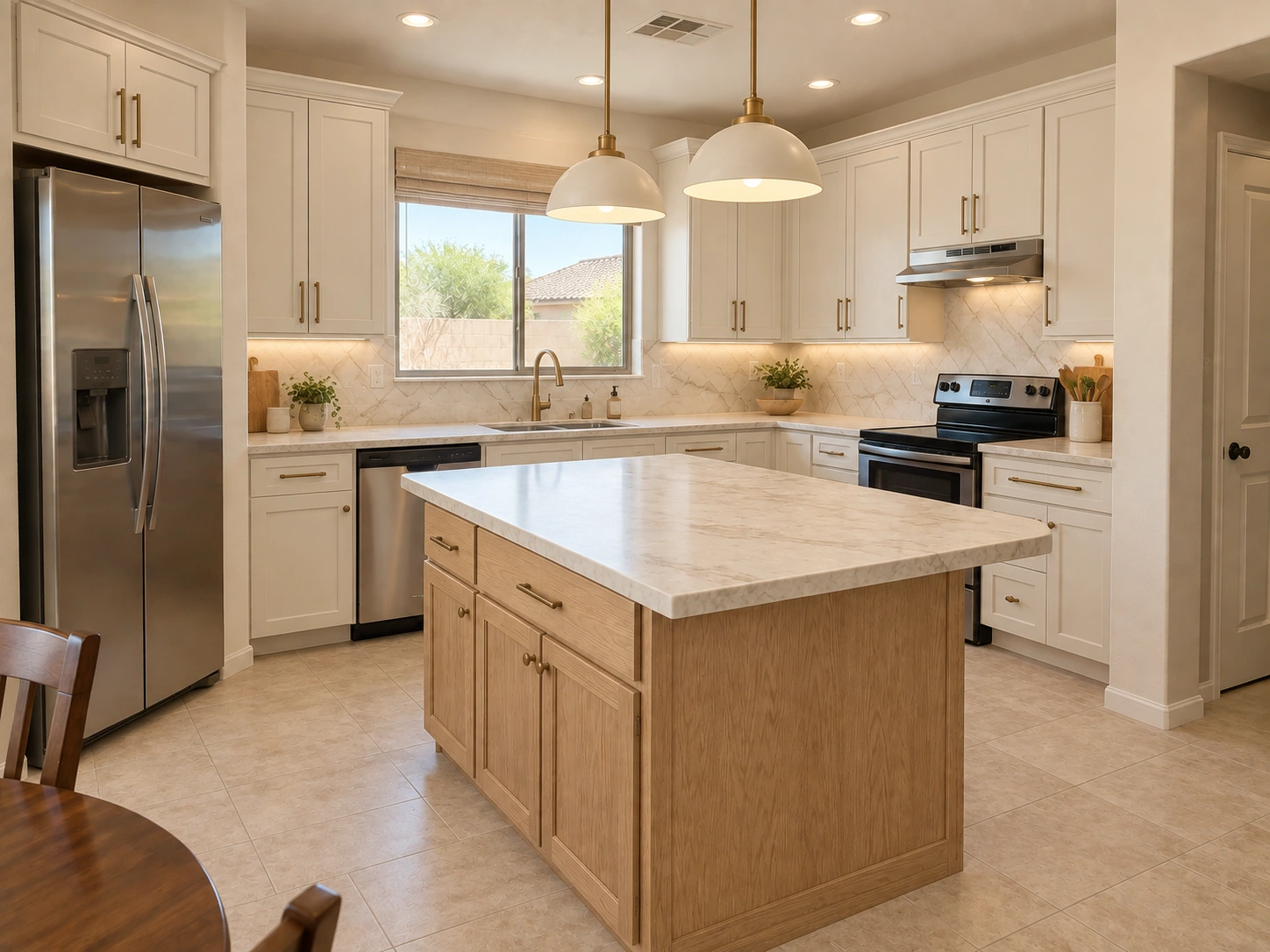
Transitional
Cream cabinetry, an oak island and simple brass accents.
Compare the same room →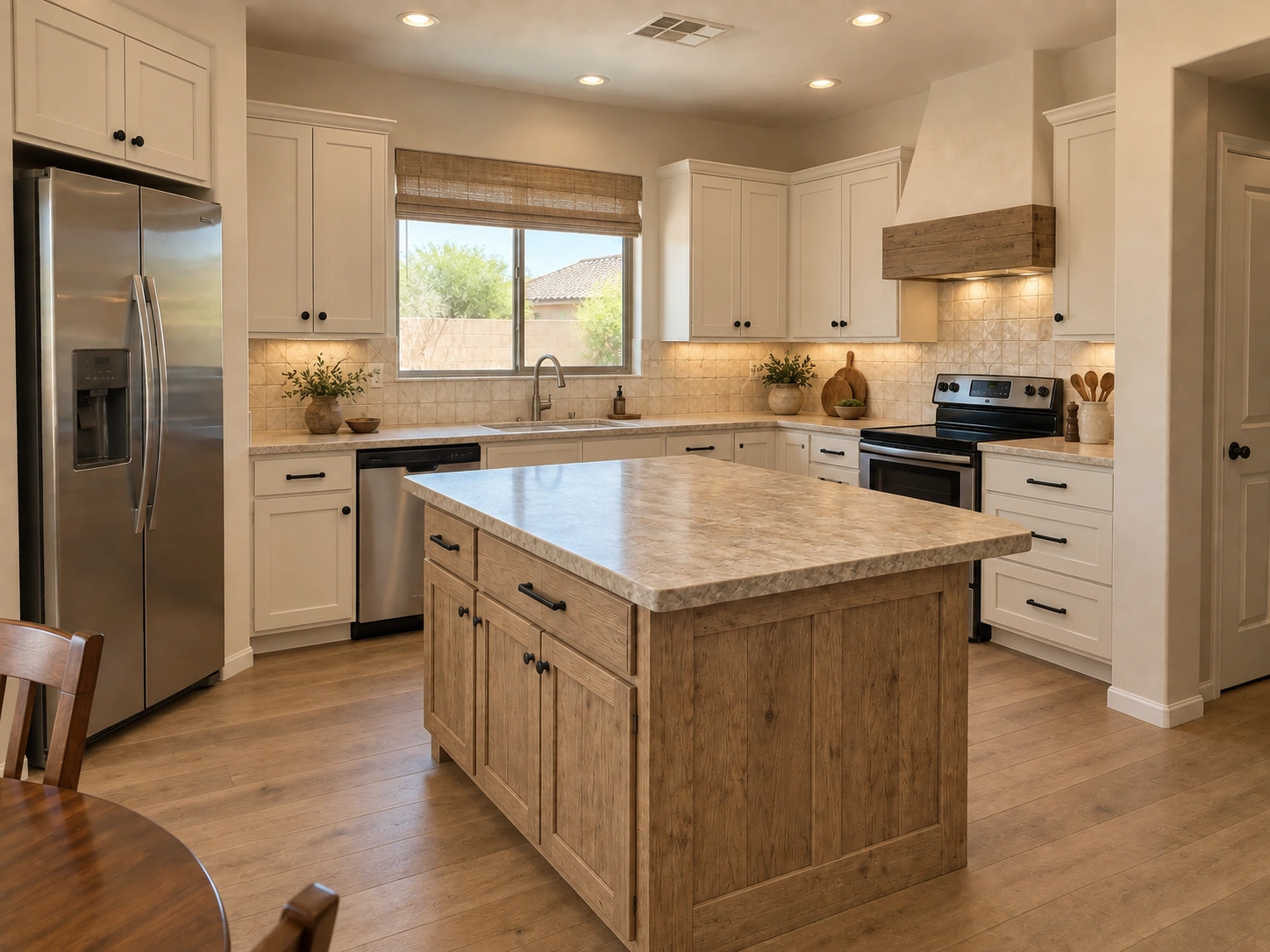
Farmhouse / Rustic
Natural wood, textured finishes and rustic warmth.
Compare the same room →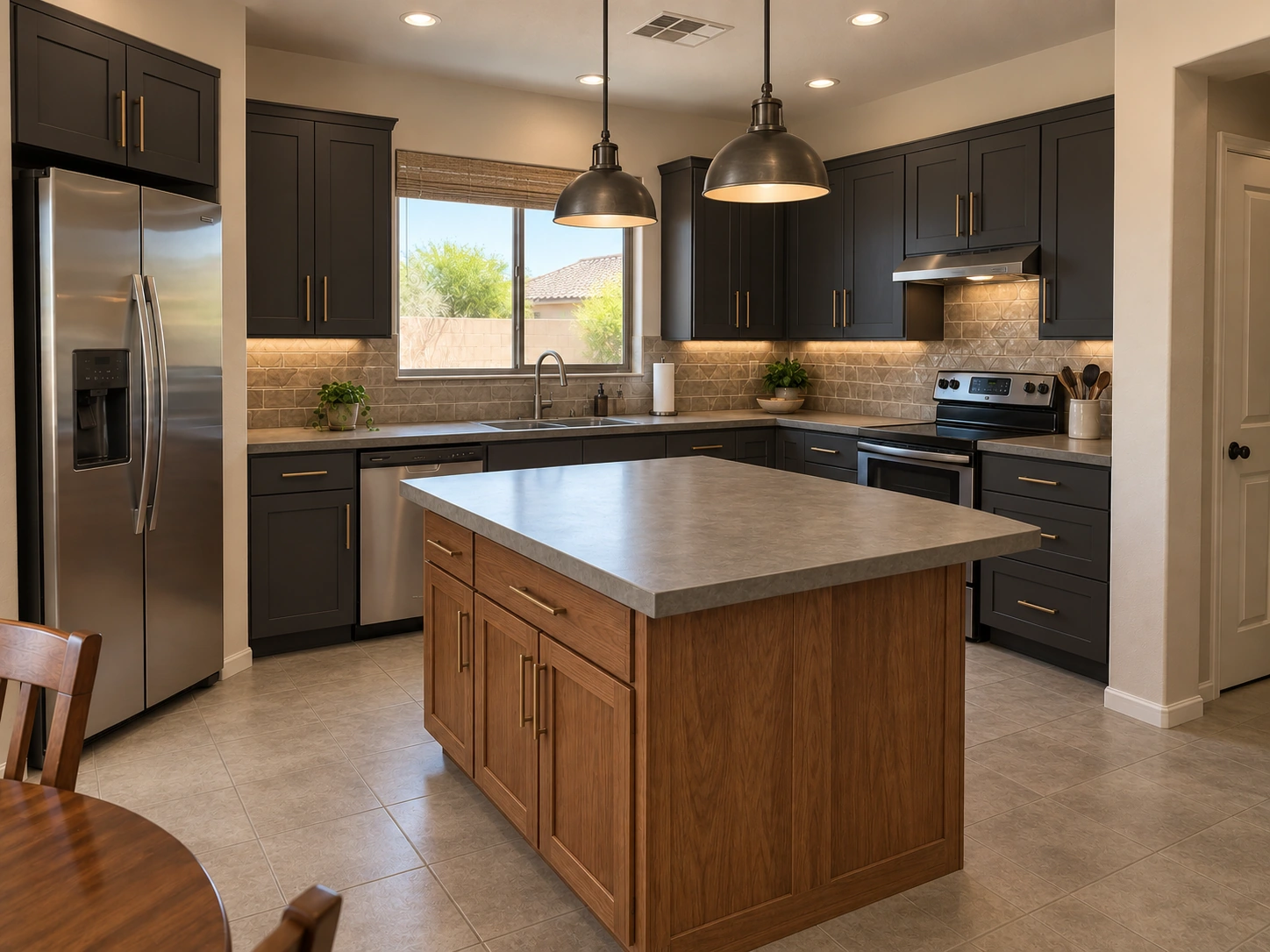
Industrial
Charcoal cabinetry, warm wood and dark metal accents.
Compare the same room →Bathrooms
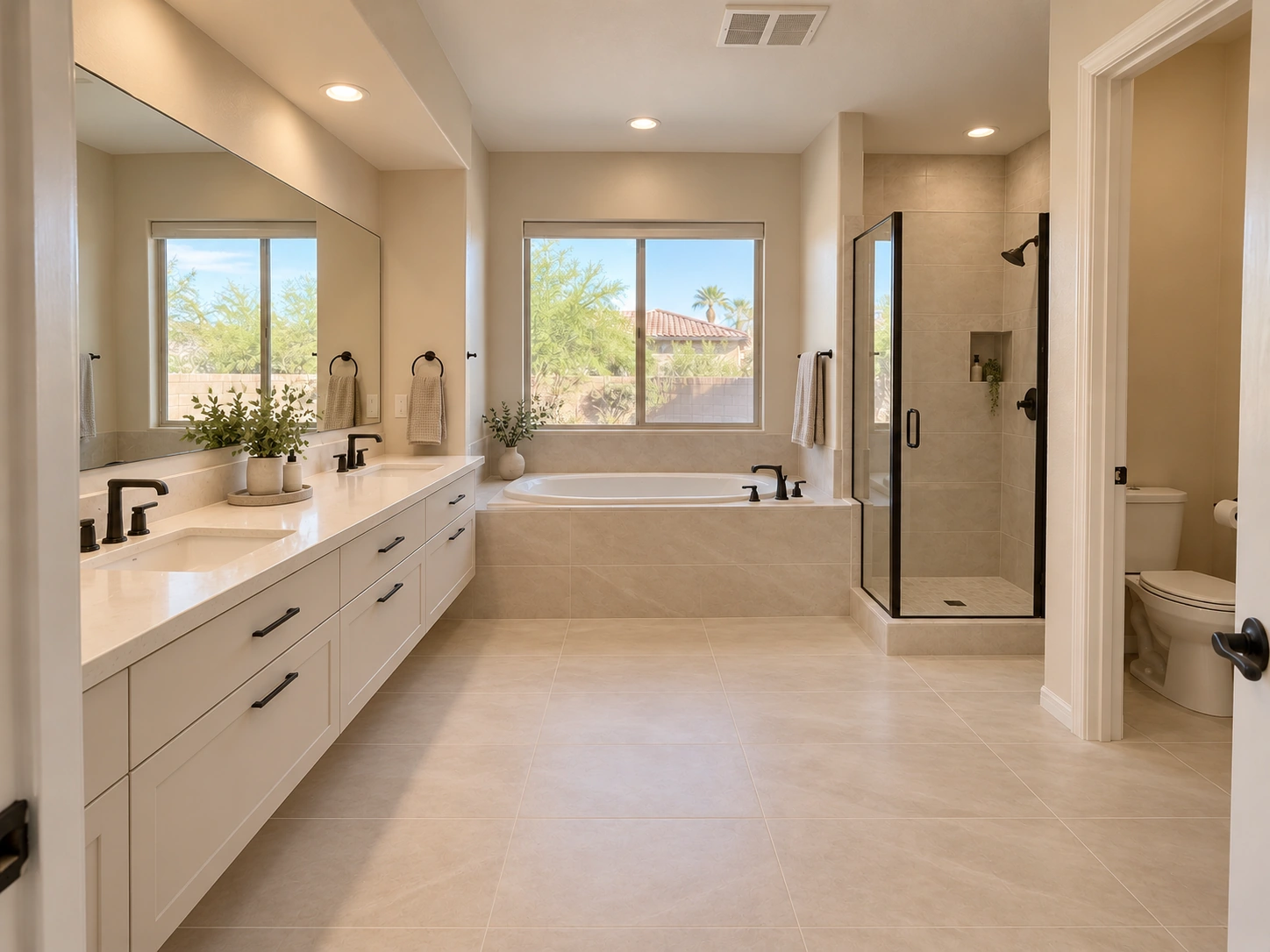
Modern
Clean lines, a floating vanity and warm neutral finishes.
Compare the same room →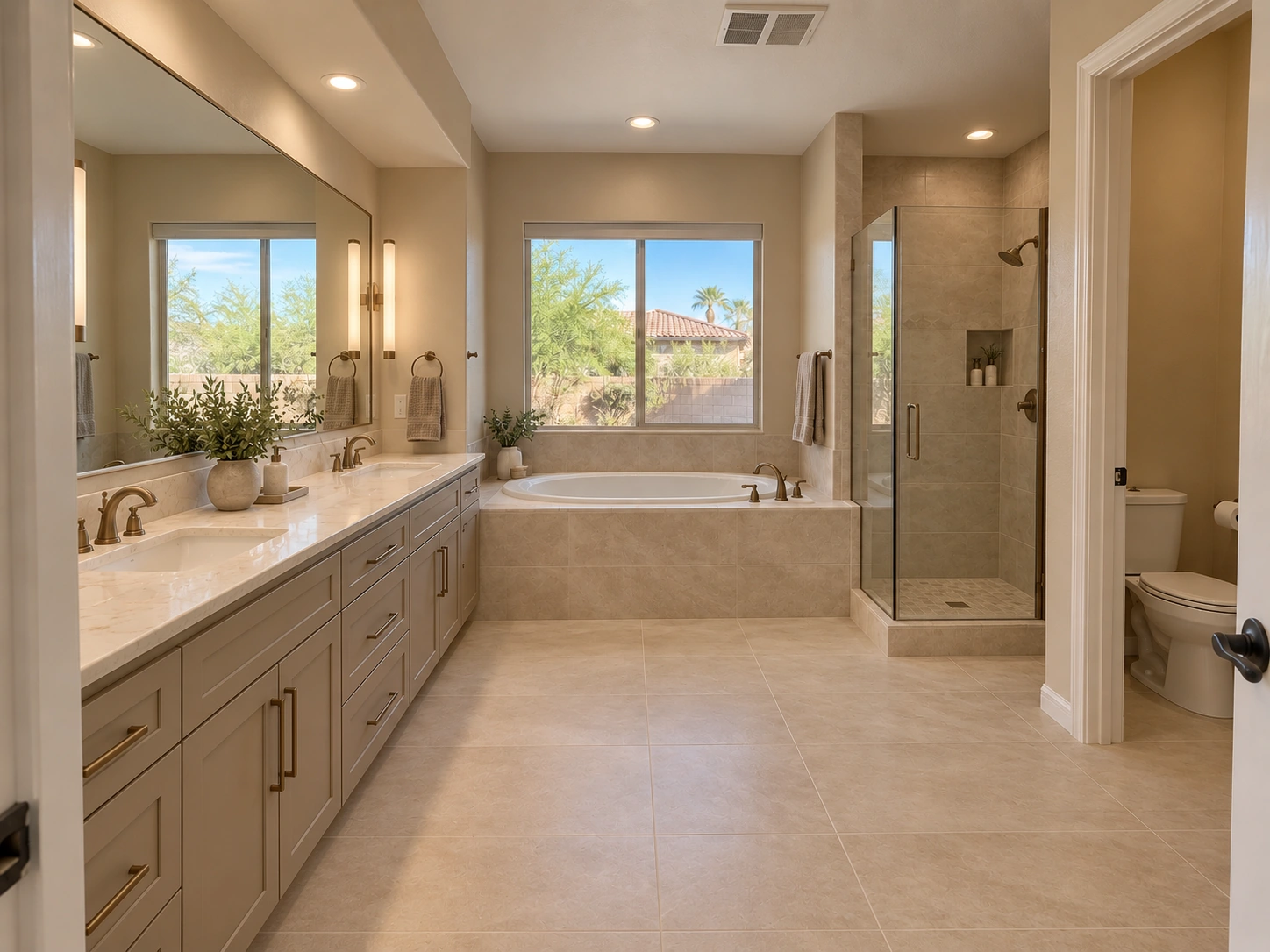
Contemporary
Soft taupe tones, refined surfaces and warm metal accents.
Compare the same room →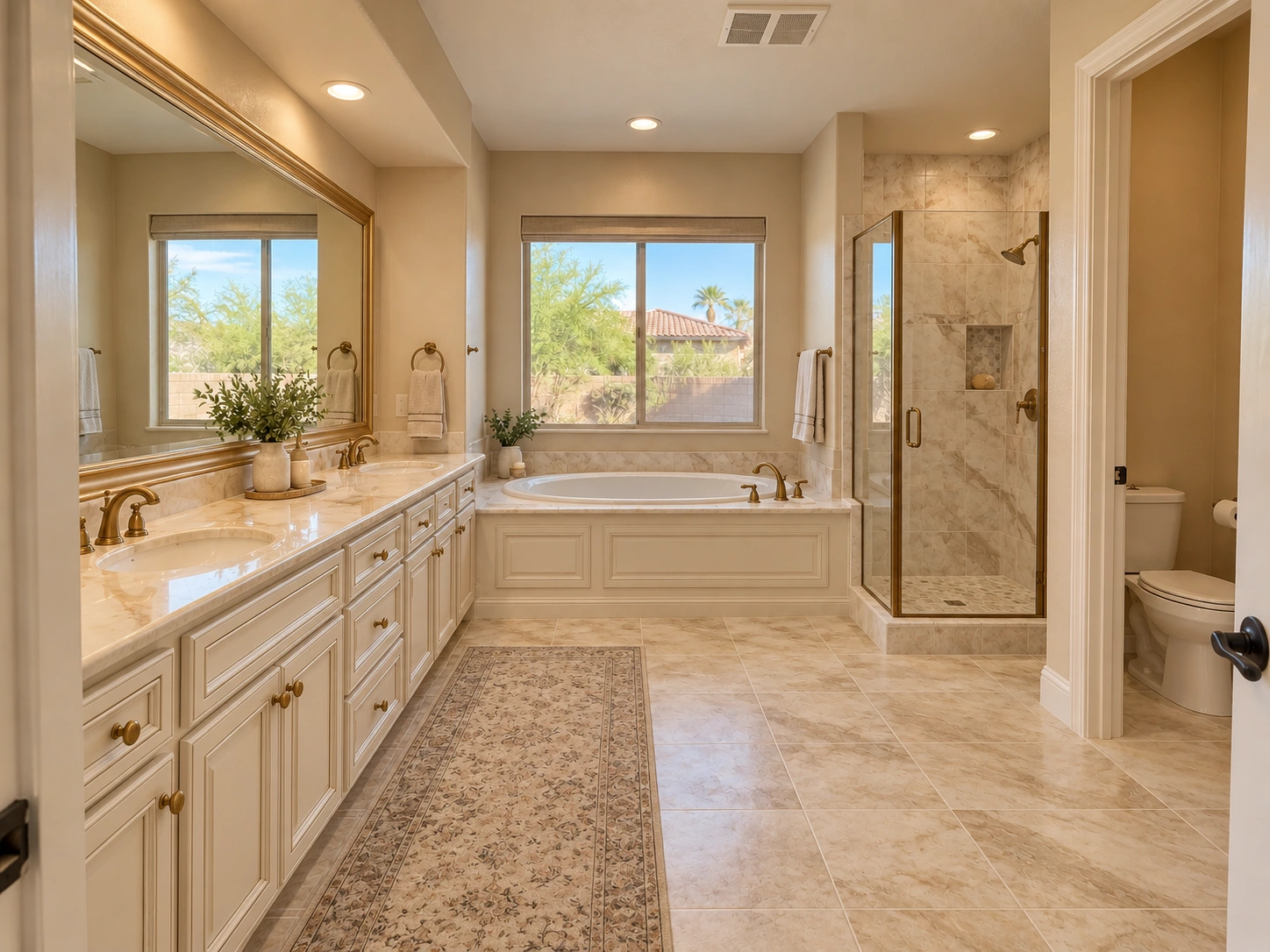
Traditional
Classic cabinetry, cream stone and brass details.
Compare the same room →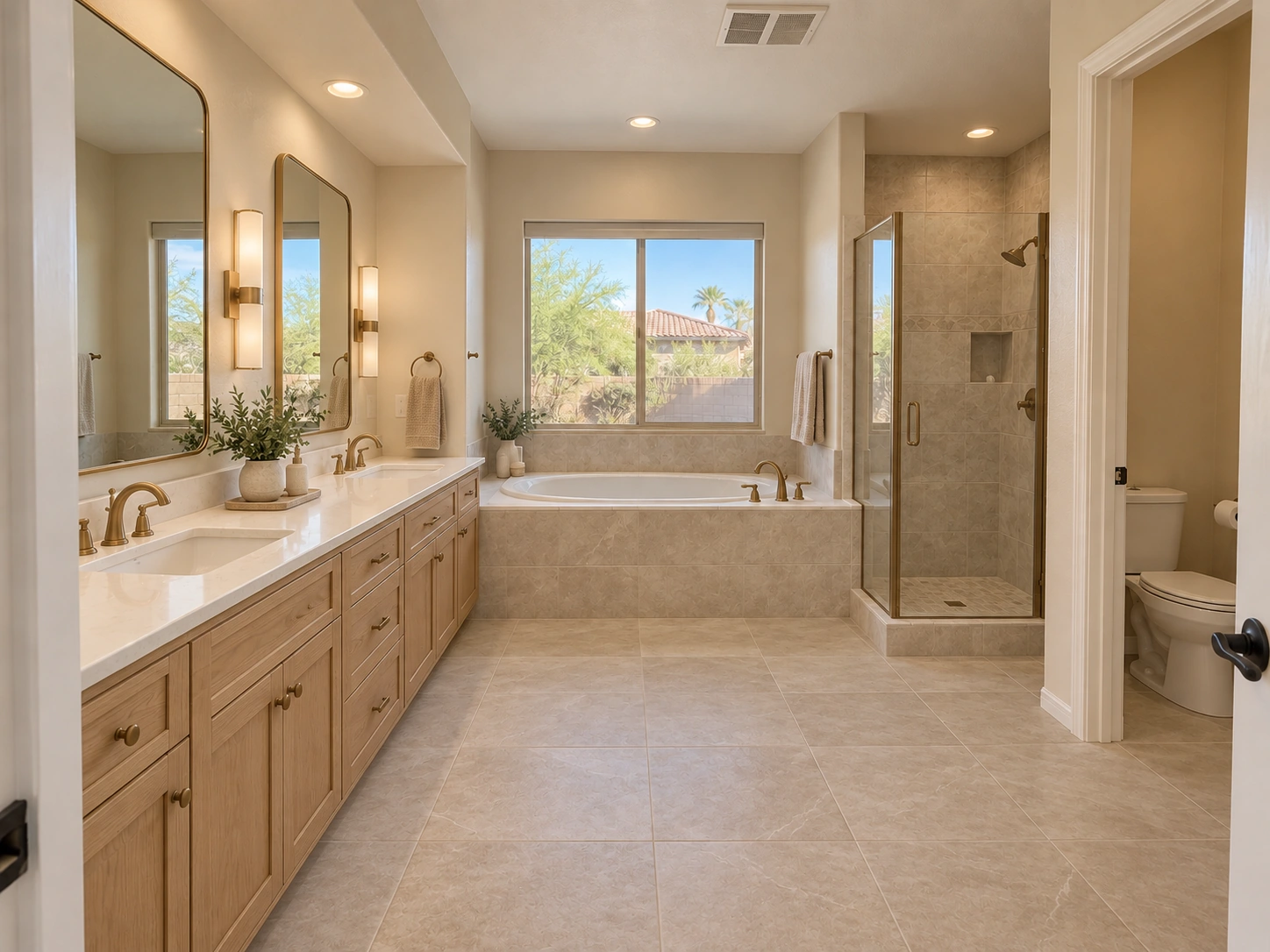
Transitional
An oak vanity, simple lines and balanced classic details.
Compare the same room →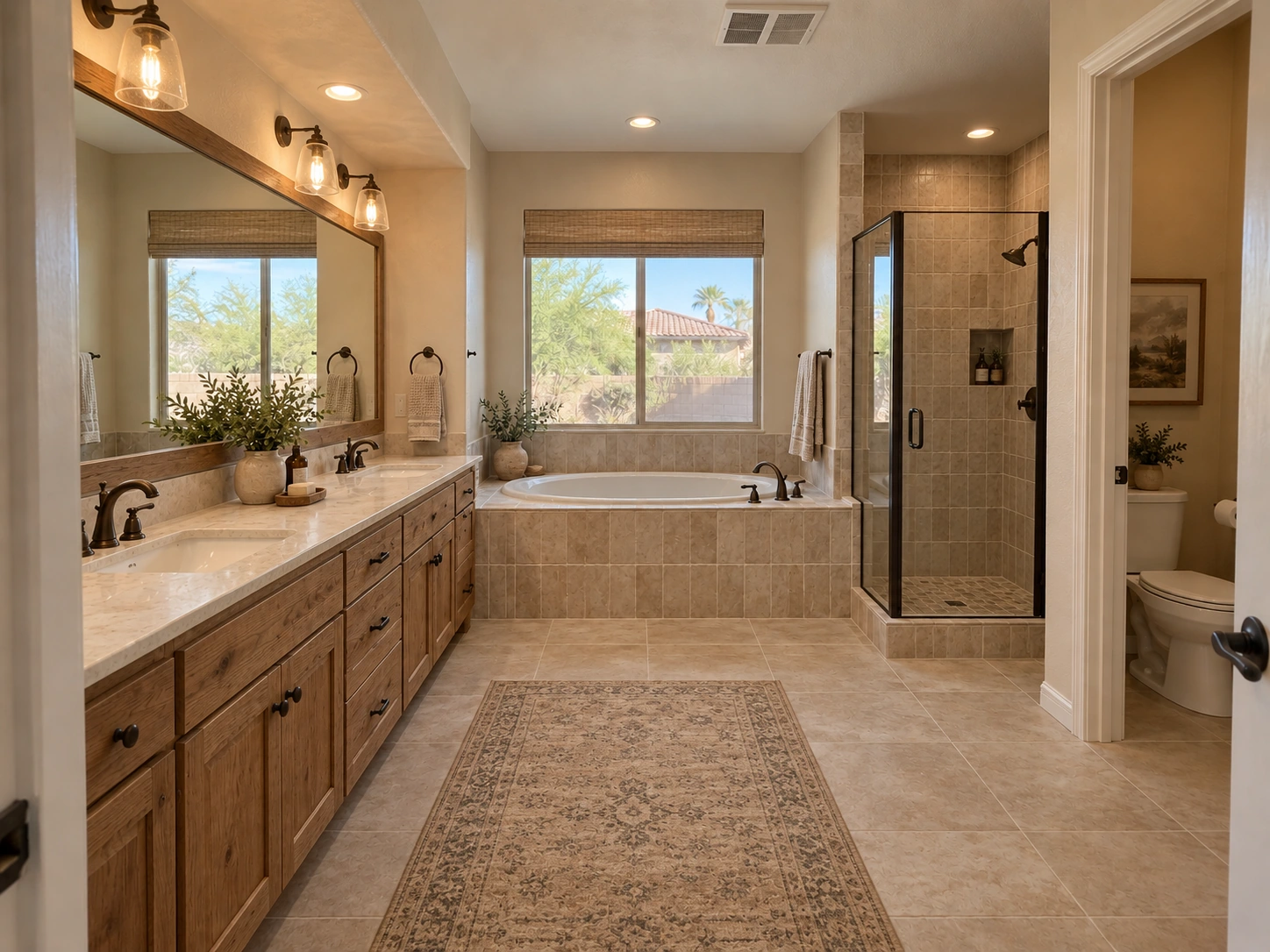
Farmhouse / Rustic
Natural wood, textured stone and rustic lighting.
Compare the same room →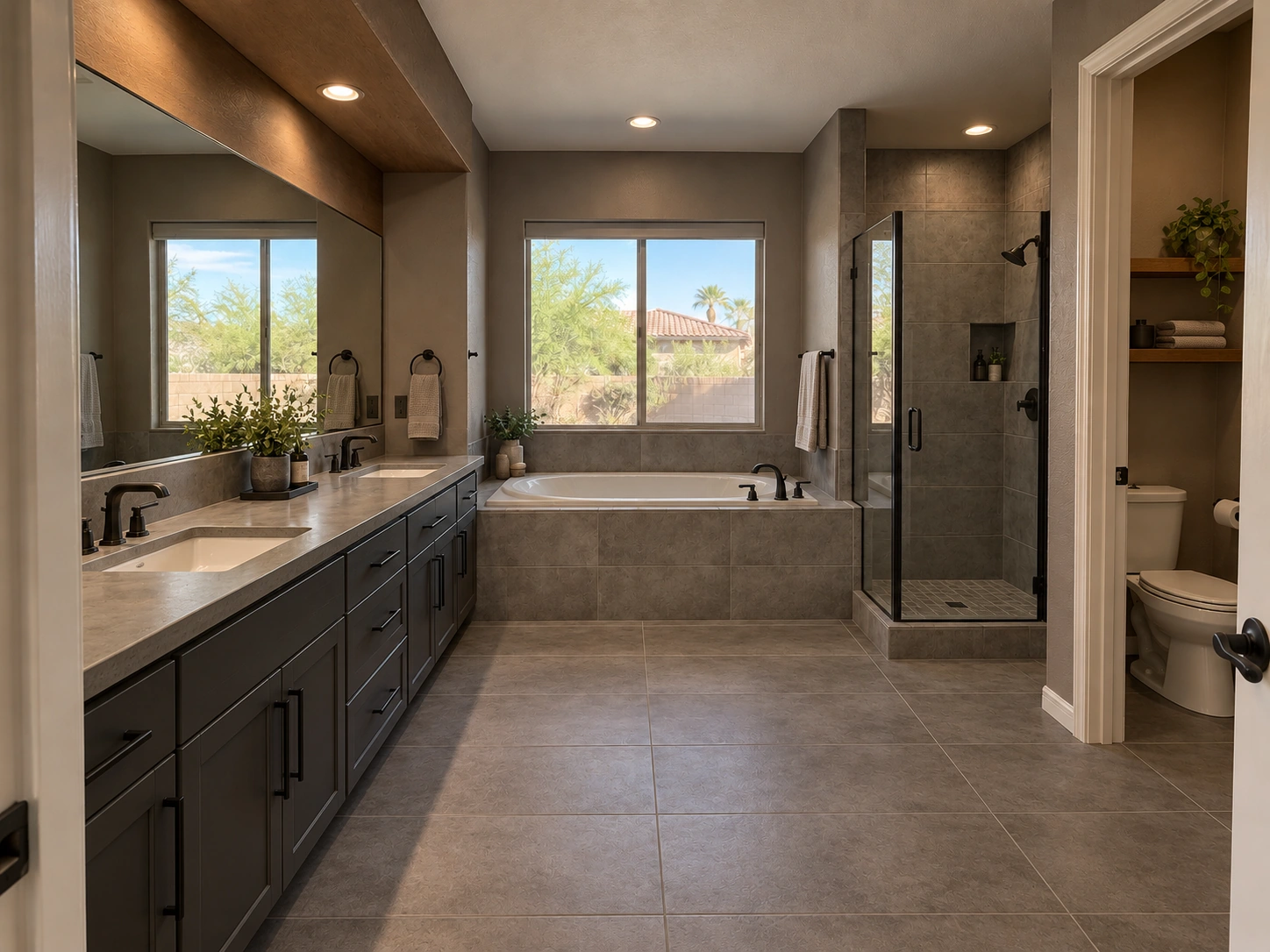
Industrial
Charcoal cabinetry, dark fixtures and textured stone.
Compare the same room →How to Use a Style Guide
A style label is a starting point, not a rulebook. Save the elements you consistently respond to: cabinet profiles, flooring tone, shower glass, hardware, lighting, wall color and architectural details. Then use those preferences to build a more specific project brief.
- Start with function: layout, storage, circulation and accessibility come before decoration.
- Choose a dominant direction: mixing styles works best when one direction leads and the others support it.
- Compare the costly decisions first: cabinetry, tile, countertops, plumbing locations and structural changes have more budget impact than accessories.